40 years as the provincial capital: St. Pölten

1986–2026: A major anniversary for St. Pölten

St. Pölten has been the capital of Lower Austria since 1986. The ‘40 Years as Provincial Capital’ anniversary provides an opportunity to look back on a period of transformative change – and, at the same time, to showcase what makes St. Pölten stand out today as a city of culture, a place to live and an urban centre in the heart of Lower Austria. 
Book the ‘40 Years as the State Capital’ city tour

Why the state capital? A brief look back

The decision to establish a provincial capital of its own was the result of a process of discussion spanning several decades. Following the separation from Vienna in 1922, the seat of the provincial government initially remained in Vienna’s Herrengasse – meaning that Lower Austria lacked its own political centre. Studies from the 1960s onwards recommended the establishment of a provincial centre to strengthen identity and counteract economic imbalances. 

On 1 and 2 March 1986, the population voted in a referendum in favour of having its own provincial capital – St. Pölten was the clear winner, securing 45 per cent of the vote. 

On 10 July 1986, the Provincial Assembly passed a resolution designating St. Pölten as the provincial capital. 

St. Pölten today. What makes the town special

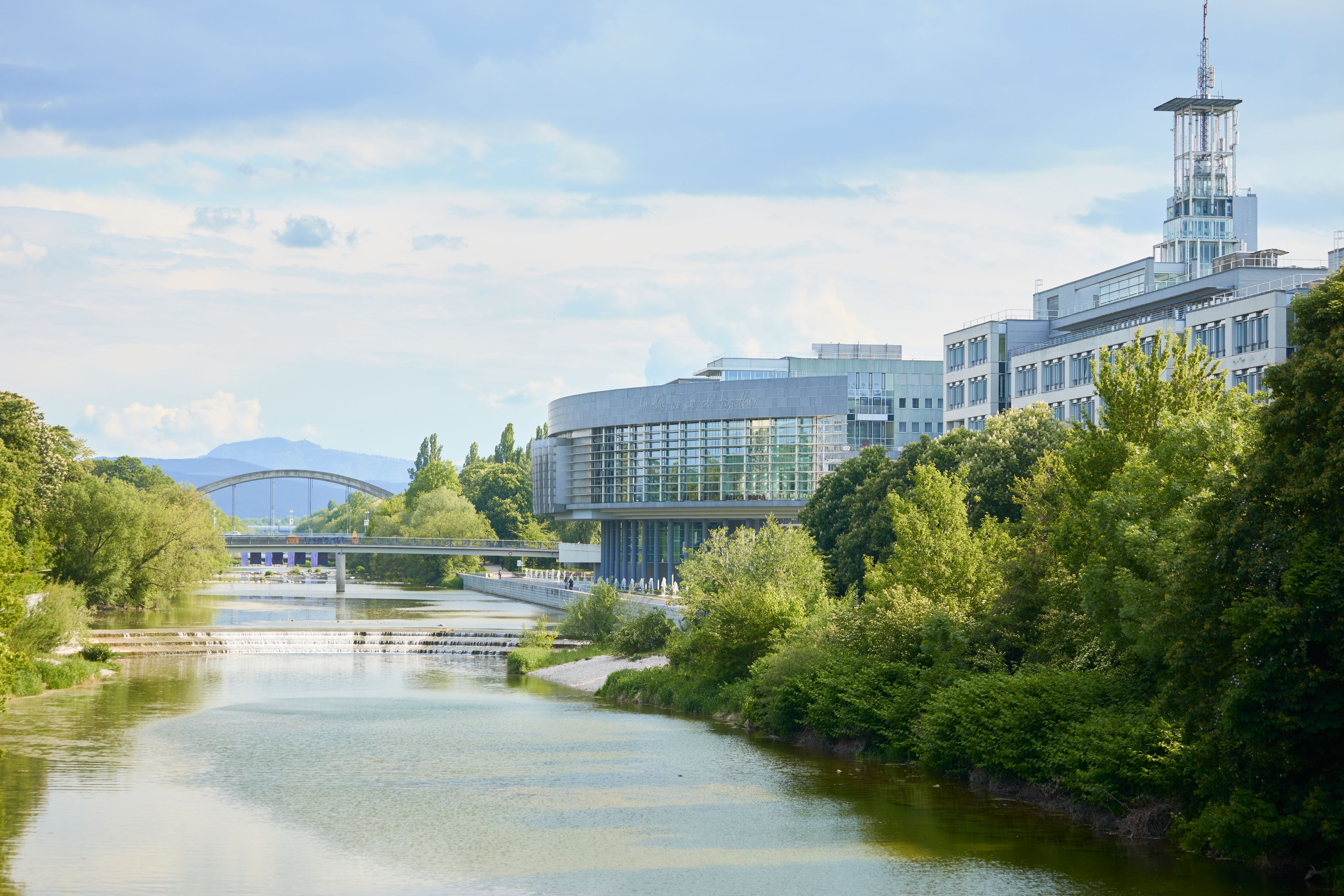
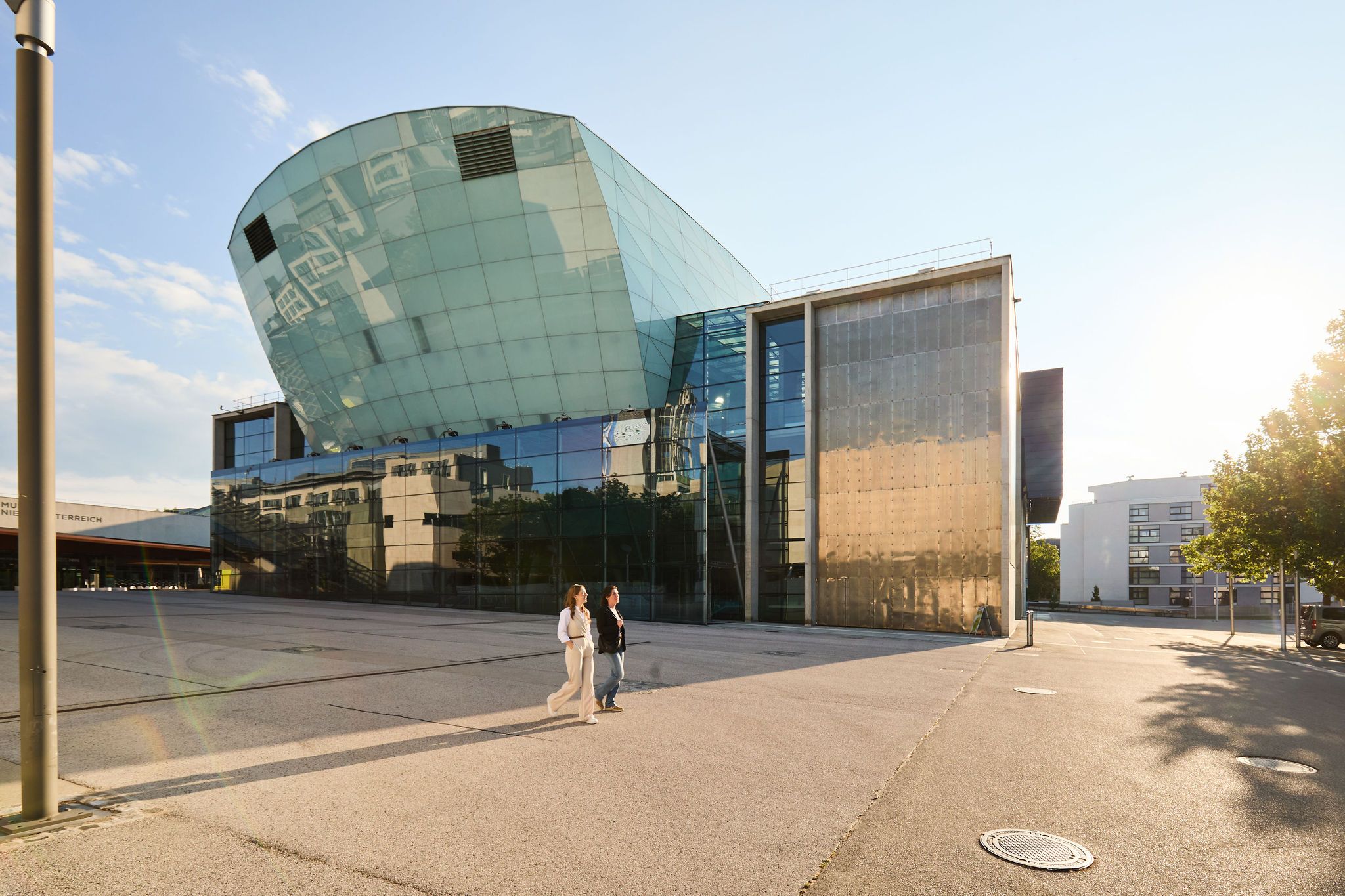
As the provincial capital, St. Pölten has developed from an industrially oriented regional centre into a political and cultural hub of Lower Austria. Visible signs of this transformation are the Landhausviertel, the Klangturm and the Festspielhaus, which, together with the historic old town, form a fruitful blend of tradition and modernity. 

Today, St. Pölten is characterised by:

  • a diverse cultural landscape with regional and international appeal
  • a high quality of life and urban spaces to enjoy
  • short distances between the city centre, culture, education and nature

The city has grown visibly: St. Pölten’s population has risen by around 19.5 per cent since 1986, and the number of overnight stays has increased fivefold since then.

Anniversary Year 2026: Bringing history to life

The year 2026 marks an important milestone: 40 years as the capital of Lower Austria, St. Pölten. This anniversary year will focus on the city’s development and its significance for Lower Austria. Numerous events, cultural programmes and initiatives will explore this theme and offer different perspectives on the past four decades.

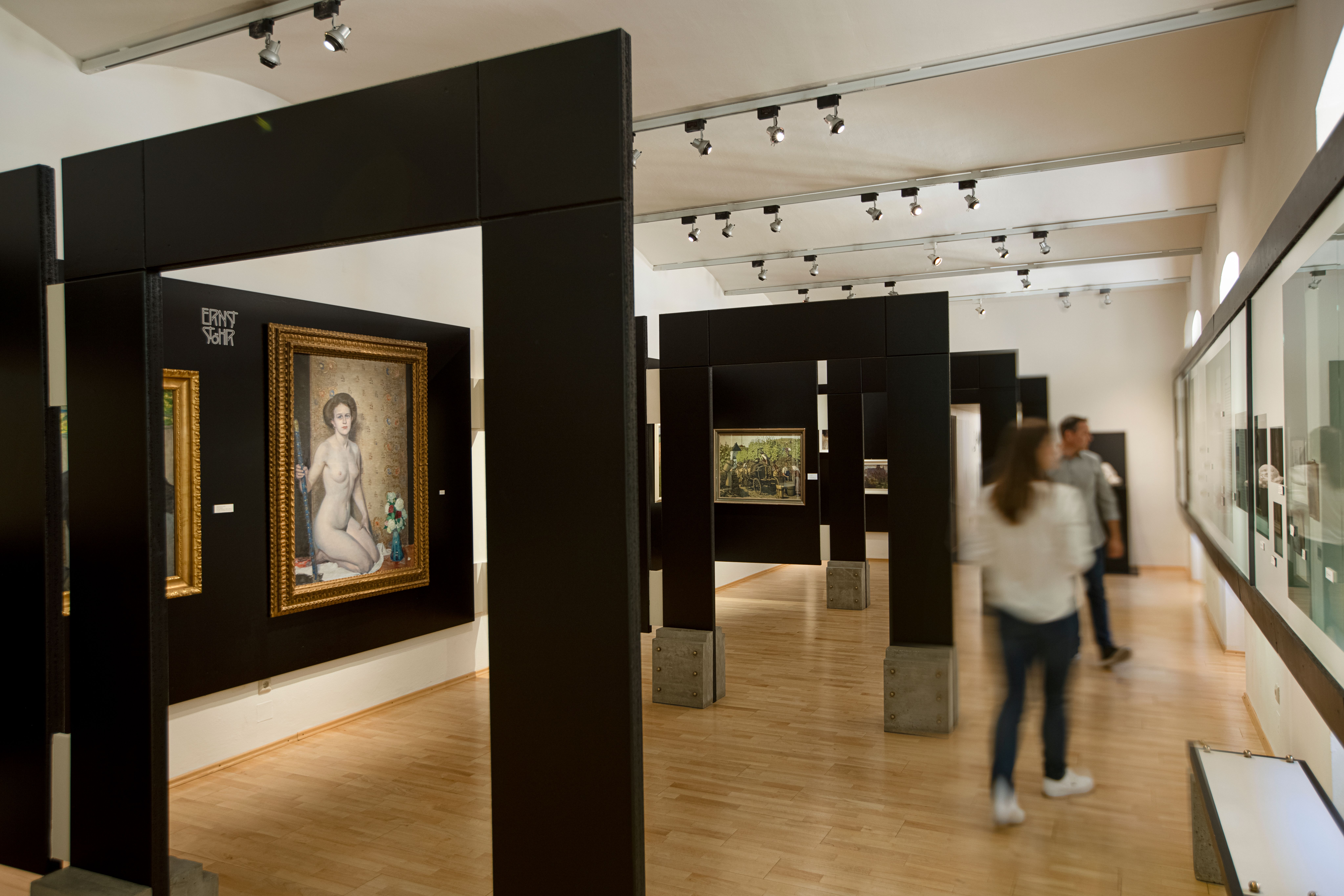
A highlight is a major exhibition on the theme of ‘40 Years as Provincial Capital’, which will be on display in St. Pölten from 19 May 2026. It is being organised in collaboration between the Museum Niederösterreich and the St. Pölten City Museum. The exhibition will be presented not only in the two museums but also at ten public locations across the city, allowing visitors to experience the history of the provincial capital throughout the urban landscape.

St. Pölten as a tourist destination

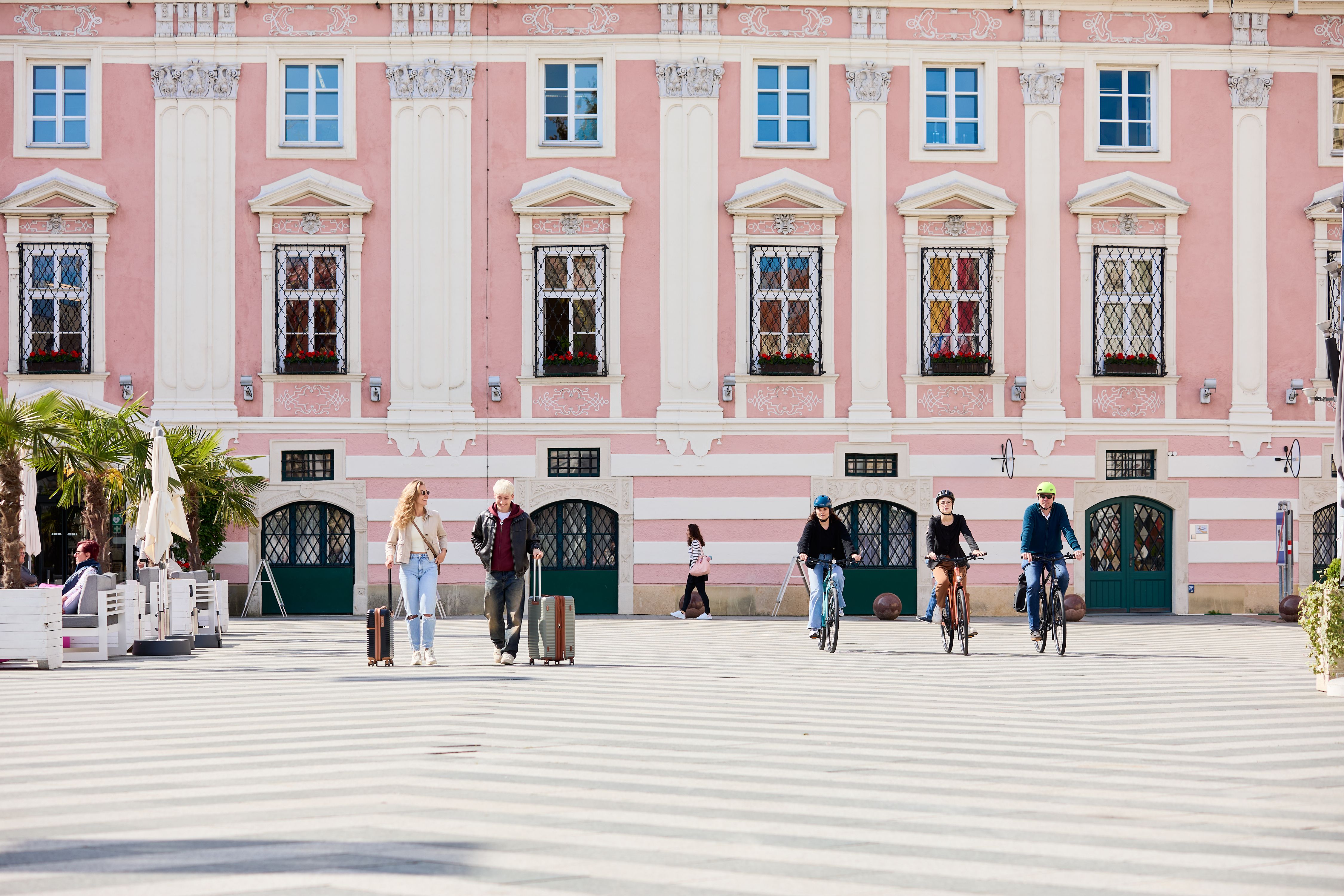
St. Pölten’s role as the provincial capital continues to shape the city to this day – including from a tourist perspective. Cultural institutions, events, educational establishments and its central location make the city an attractive destination for day trippers and short breaks.

Visitors will discover a city with a diverse cultural offering, historic sites and modern urban spaces – nestled between the River Traisen, wine-growing regions and the landscapes of the Mostviertel.

Whether for a cultural visit, a day trip or a longer stay: St. Pölten combines history, urban life and nature within easy reach.

Service & further information

  • Ausstellung im Stadtmuseum St. Pölten
    ©schwarz-koenig.at

    Museums in St. Pölten

  • Zwei Damen spazieren an dem Festspielhaus im Kulturbezirk vorbei.
    ©Rupert Pessl

    Theatres and Stages in St. Pölten

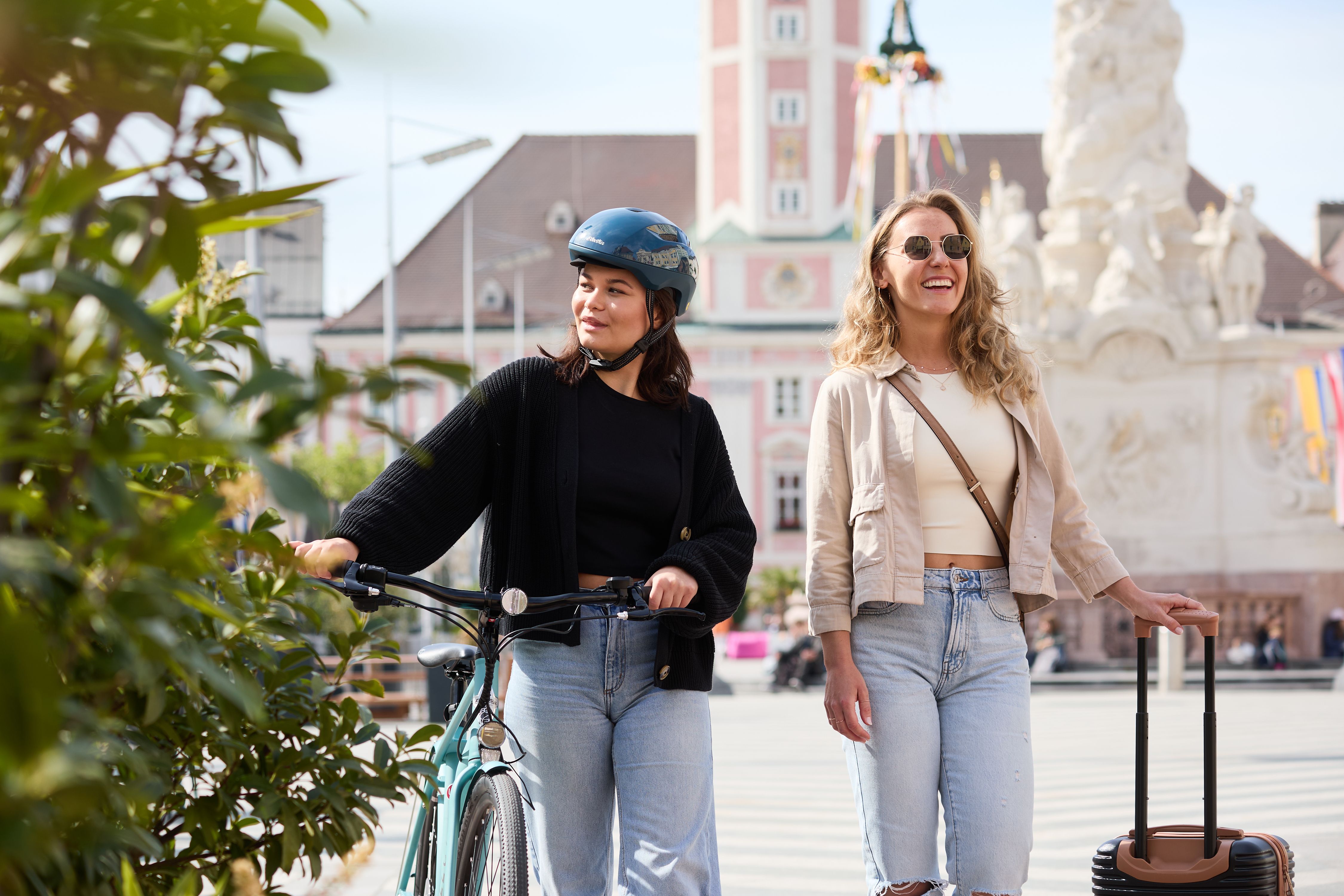
  • Zwei junge Frauen mit Koffer und Rad, eine davon zeigt mit dem Finger in die Ferne.
    ©Rupert Pessl

    St. Pölten for a while

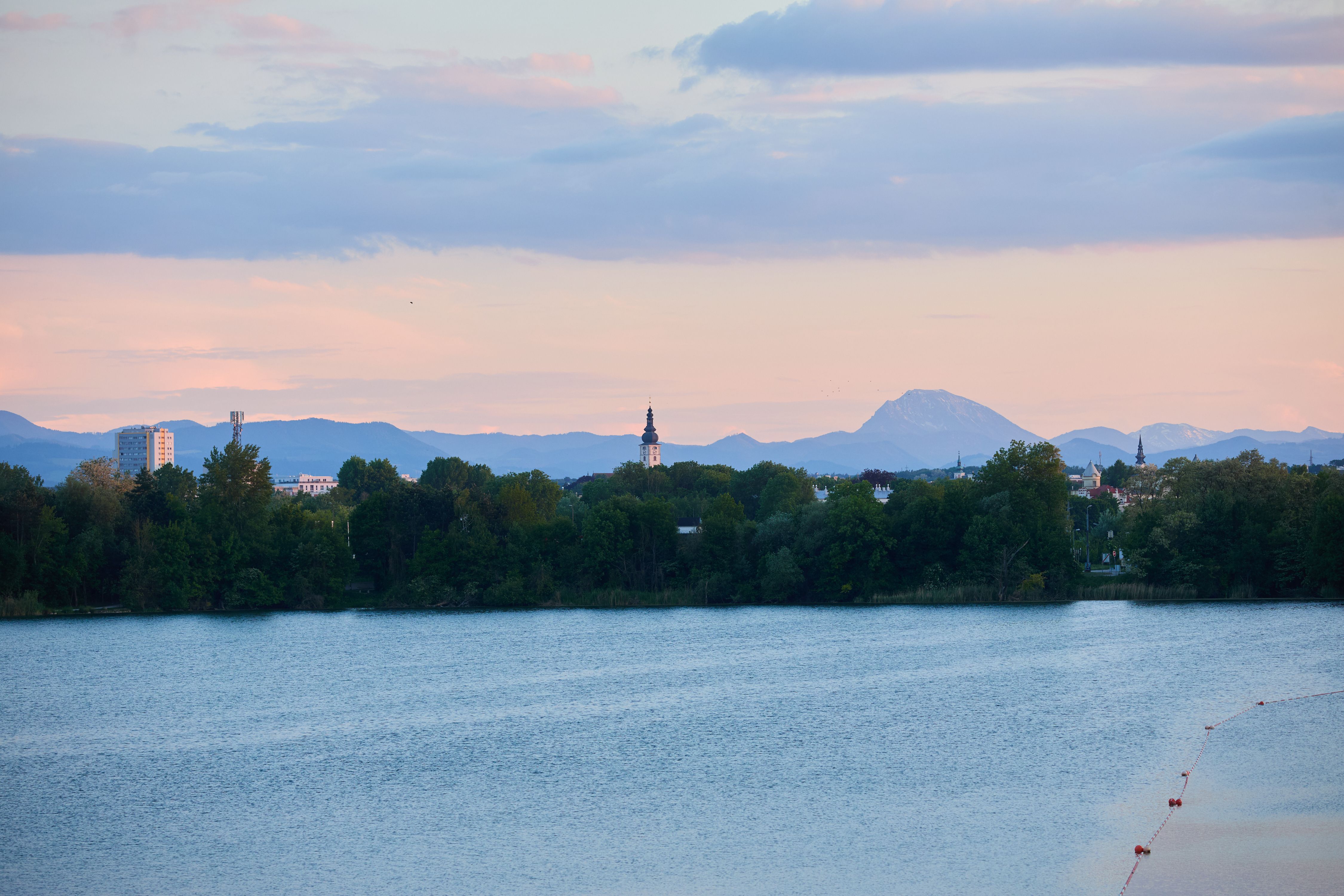
  • Bild am großen Viehofner See, das die Weite und die Berge zeigt.
    ©Rupert Pessl

    Day Trips